
Choosing the Best Smartphone Operating System can feel overwhelming. Every brand promises speed, security, and smooth design. Friends defend their favorite devices like sports teams. Tech reviewers argue over specs and benchmarks. Yet most buyers still wonder which system truly fits their lifestyle.
This guide breaks down the real differences between Android and iOS. You will see how performance, customization, privacy, and ecosystem shape daily use. If you want clarity without hype, keep reading.

No single platform wins for everyone. The Best Smartphone Operating System depends on habits, budget, and expectations. Some users value customization above all. Others prefer stability and long-term software support.
Android powers devices from Samsung, Google, and many others. iOS runs exclusively on Apple iPhones. That difference alone changes pricing, flexibility, and update control.
Android offers broad hardware variety. You can find budget phones or premium flagships. iOS keeps a tighter lineup with fewer models. Apple controls hardware and software integration.
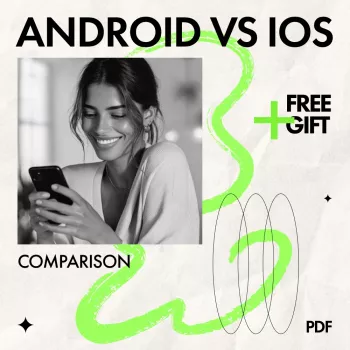
If you want a structured breakdown, the Android vs iOS comparison guide explores ecosystem differences in detail. It explains why some users prefer flexibility while others choose seamless integration.
Consider these lifestyle factors before choosing:
Answering these questions narrows your decision quickly.
Speed shapes daily experience. Apps must open instantly. Games should run smoothly. Battery life must last a full day.
Apple designs its chips specifically for iOS. That vertical integration boosts efficiency. Many iPhones deliver consistent performance for years.
Android performance varies by manufacturer. Flagship models compete strongly with Apple devices. Budget Android phones may slow down faster.
When reviewing benchmarks, explore a reliable iOS vs Android performance comparison to see real-world results. Raw numbers matter less than daily smoothness.
Software updates also affect performance. Apple pushes updates to most supported devices simultaneously. Android update schedules depend on each brand. Google Pixel phones often receive updates first.
Battery optimization differs as well. iOS limits background processes aggressively. Android allows more control but requires manual adjustments.
Power users often lean toward Android for multitasking freedom. Casual users may appreciate Apple’s consistency and minimal setup.

Features influence comfort more than benchmarks. The Best Smartphone Operating System should match how you communicate, work, and relax.
Android offers extensive customization. You can install launchers, modify widgets, and personalize nearly every screen. Advanced users enjoy control over file management and default apps.
iOS focuses on simplicity. Apple refines user experience with tight interface standards. New features roll out consistently across supported devices.
A detailed smartphone operating system features guide explains how notifications, privacy controls, and app ecosystems differ. Small interface choices can dramatically affect comfort.
Privacy remains a major concern. Apple emphasizes tracking transparency and permission control. Android improves privacy tools each year, especially on recent versions.
App availability rarely limits users today. Both platforms host millions of applications. However, some apps debut on iOS first. Others integrate better with Google services.
If you rely heavily on Gmail, Google Drive, and Google Photos, Android may feel more natural. Mac and iPad owners often benefit from Apple’s ecosystem continuity.
Long-term value goes beyond price. It includes resale potential, software support, and ecosystem expansion.
Apple devices often retain higher resale value. Many users resell iPhones after two or three years. That practice reduces effective ownership cost.
Android phones span multiple price tiers. Budget buyers appreciate flexibility. Premium Android models now compete directly with Apple pricing.
Understanding which smartphone OS is best requires evaluating your upgrade cycle. Frequent upgraders may prioritize innovation. Long-term users should examine update longevity.
Developers also consider ecosystem stability. App creators sometimes optimize for iOS first. Android’s market share remains larger globally. That balance shapes app experiences.
To explore all these angles in a structured way, many readers rely on Choosing the Android vs iOS Smartphone Universe. The ebook organizes comparisons into clear decision paths. It breaks down cost, security, performance, and usability in practical language.
The guide avoids technical jargon. It includes side-by-side charts for quick evaluation. Buyers can assess priorities without guessing.

Inside Choosing the Android vs iOS Smartphone Universe, readers find realistic scenarios. For example, it compares creative professionals, students, entrepreneurs, and gamers. Each profile highlights advantages and trade-offs.
Many shoppers waste weeks watching conflicting reviews. Structured comparison saves time. Clear criteria remove emotional bias.
The ebook also explains how the top mobile operating systems evolve yearly. Update policies, AI integration, and ecosystem expansion change rapidly. Staying informed protects your investment.
Readers often mention that Choosing the Android vs iOS Smartphone Universe simplifies a stressful purchase. Instead of chasing trends, they choose based on real needs.
You deserve a device that fits your workflow, not social pressure. Technology should serve daily habits smoothly. Confidence grows when decisions rely on structured evaluation.
The Best Smartphone Operating System does not exist in isolation. It exists in your pocket, in your routines, and across your digital life. Once you align features with lifestyle, the choice becomes clear.
Clarity saves money. Research prevents regret. Informed buyers rarely second-guess their decision.
Before purchasing your next device, review your ecosystem, performance needs, and customization preferences. Then compare both platforms using structured criteria. The right system will feel obvious once priorities align.
If you have any questions, here are some useful links:




Leave a comment