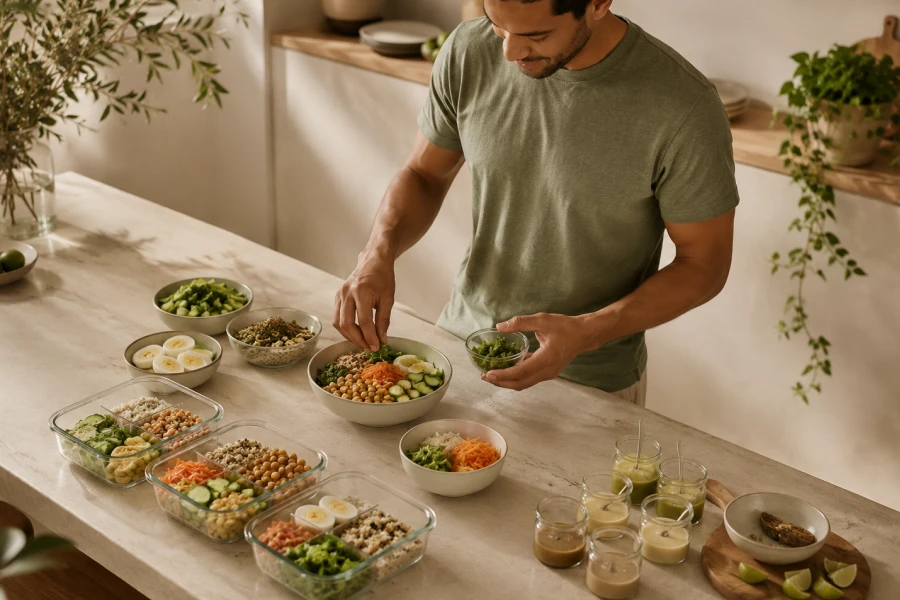
Healthy meal planning tools help when intention is strong but time feels limited. Many people want better lunches yet lose momentum during busy weeks. Decisions pile up quickly. Grocery lists get vague. Leftovers become random. The right support turns scattered ideas into a usable plan. You still choose what sounds good. The system simply organizes the path. Better tools reduce waste, stress, and repeated takeout. When lunch becomes easier to prepare, healthy eating starts feeling realistic.
Decision fatigue often ruins healthy routines. You may know what to eat, but not what to make today. Planning tools narrow the options. They can group meals by prep time, ingredients, or goals. This structure saves mental energy. A weekly meal plan gives your choices a clear home. It also helps you shop with purpose. Fewer random groceries mean less waste. Lunch becomes easier before hunger strikes. That timing changes everything.
A strong grocery list reflects actual meals. It should not be a hopeful collection of ingredients. Tools can combine overlapping items across recipes. They also show what you already have. This prevents buying another jar or bag you do not need. Smart lists protect your budget. They make shopping faster. They reduce midweek panic. Pair the list with prep-friendly meals that share ingredients. Your fridge starts working as a system.
Personalization matters because generic plans often fail. Your meals need to match your appetite, schedule, and kitchen habits. Add preferences before accepting any plan. Mention foods you dislike. Note your cooking skill and available equipment. Include office limitations or commute time. Ask for simple lunch recipes that fit those details. Review the results with common sense. Remove anything that feels annoying. The best plan should feel like your life, only smoother.
Waste often starts with overplanning. You schedule too many meals and forget leftovers. Planning tools can help assign ingredients across the week. They can also suggest ways to reuse extra food. Cooked rice becomes bowls, soup, or fried rice. Roasted vegetables become wraps or omelets. A practical nutritious meals approach uses what you already bought. That saves money and effort. It also makes healthy eating feel less wasteful. The routine becomes lighter when less food gets abandoned.
Technology should support your judgment, not replace it. Treat every plan as a draft. Change meals when your week shifts. Swap ingredients based on sales or leftovers. Keep a few backup lunches ready. Let the tool handle structure while you handle taste. This balance keeps the system humane. Rigid plans often break under real pressure. Flexible plans bend and continue. That is why the best meal support feels practical, not controlling.
A lasting lunch habit grows from repeated small wins. Start with three planned lunches, not seven perfect meals. Notice which foods keep you full. Watch which containers travel best. Track what you actually finish. Then adjust the system. Keep your favorite combinations visible. Repeat them without guilt. Consistency does not require novelty every day. It requires a rhythm that respects your time, budget, and appetite.



Leave a comment