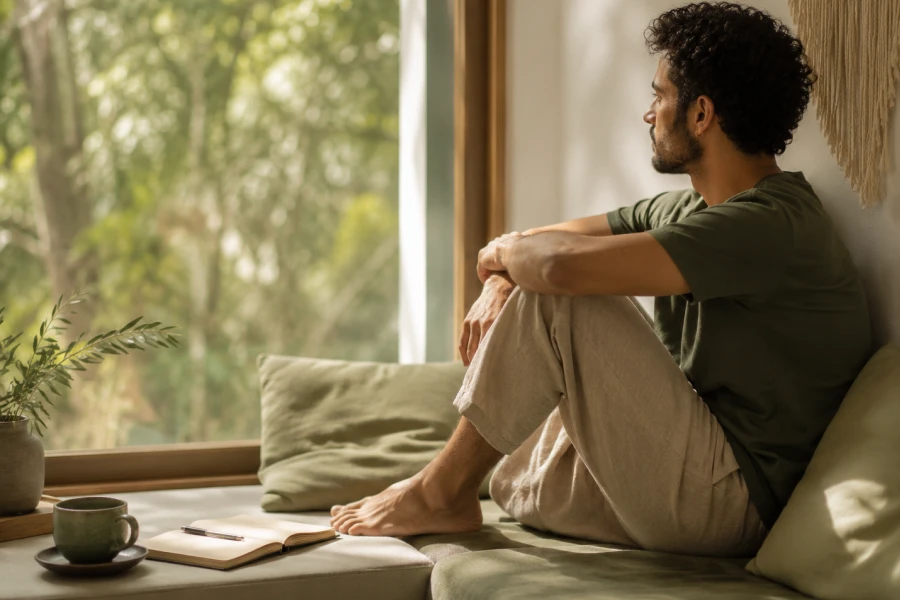
Inner peace practices can feel unrealistic when your life moves quickly. You may imagine calm as something reserved for quiet people with empty schedules. Real peace works differently. It grows through brief moments of attention, honesty, and release. You do not need to disappear from responsibility. You need better ways to return to yourself inside it. Small practices can interrupt stress before it hardens. They can also soften the way you speak to yourself. Peace becomes practical when it fits your actual day.
Noticing is the first step toward change. Pause and ask what is happening inside you. Name your body sensations without judging them. Tight chest, racing thoughts, clenched hands, or tired eyes all matter. Awareness gives stress shape. A simple mindfulness routine makes this easier. You are not trying to become instantly calm. You are gathering honest information. That honesty reduces confusion. From there, better choices become possible.
Difficult moments often demand a slower response. Take one breath before answering. Lower your shoulders. Feel the ground under your feet. Ask yourself what matters most here. This pause can prevent regret. Strong emotional balance does not mean suppressing feelings. It means letting them move without controlling every action. You can feel upset and still choose carefully. That skill protects relationships and self-respect.
Self-trust grows when your inner voice becomes steadier. Notice harsh thoughts when they appear. Question whether they are true or simply familiar. Replace all-or-nothing language with something more accurate. You can be learning without failing. You can be tired without being weak. A set of personal growth practices helps reshape that dialogue. Small corrections matter. Your mind listens to repeated messages. Kinder truth creates stronger confidence.
Peace often requires cleaner boundaries. Notice where resentment appears. That feeling may reveal overextension. Before agreeing, pause and check your capacity. You can answer with warmth and still protect your limits. A grounded daily calm habit makes boundaries easier. It helps you hear your own needs earlier. Boundaries are not rejection. They are structure for healthier connection. Peace grows when your life has room for you.
Rituals work best when they feel believable. Light stretching, tea, journaling, prayer, music, or quiet walking can all help. Choose something you would actually repeat. Keep the ritual short at first. Attach it to a reliable moment. Morning and evening often work well. Do not turn peace into another performance. Let the practice be simple enough for imperfect days. Natural rituals become emotional anchors. They remind your nervous system that safety is available.
Peace becomes more available when you stop treating it as luxury. You deserve moments that restore your attention. You deserve space to think clearly. Protecting that space improves how you work, love, and decide. Start with one practice today. Repeat it tomorrow. Adjust it until it fits. Notice what changes slowly. The goal is not a flawless life. The goal is a steadier relationship with yourself inside real life.


Leave a comment