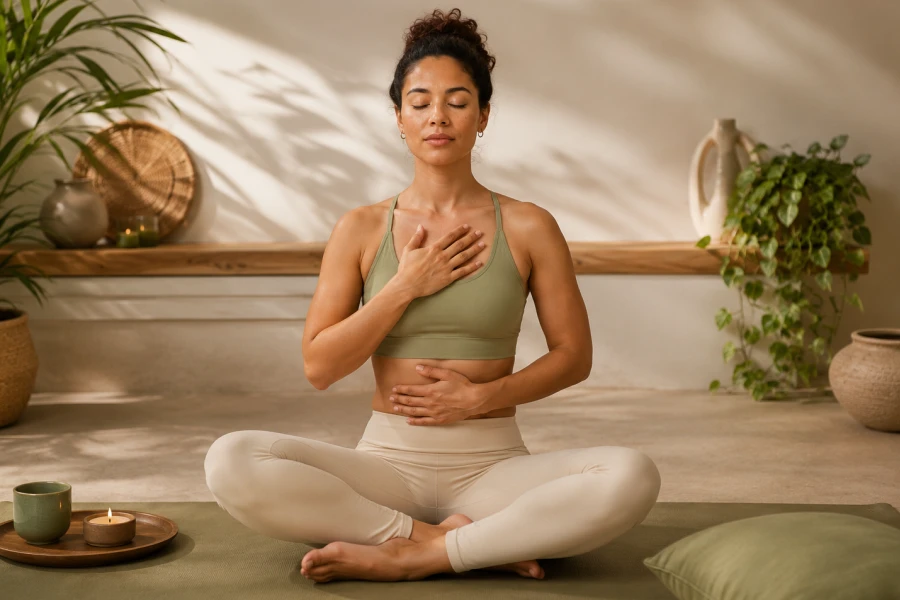
Mind relaxation techniques help when your thoughts feel crowded, fast, and difficult to settle. Modern life rewards constant response, but your nervous system needs pauses. Calm does not always arrive by accident. It often comes from small repeatable actions. You can learn to shift your attention gently. You can also create space between stress and reaction. These practices work best when they feel simple. They do not require a perfect mood. They only require a starting point. A few minutes can change the texture of your day.
Breathing gives your mind something steady to follow. Try inhaling slowly, pausing briefly, and exhaling longer. The longer exhale can signal safety to the body. Keep your shoulders relaxed. Let your jaw soften. Count only if counting helps. A few breathing techniques can make stress feel less immediate. You are not forcing thoughts away. You are giving your attention a calmer anchor. That shift can reduce inner noise quickly.
Calm does not require perfect silence. You can practice in a parked car, office corner, or crowded kitchen. Choose one sense to focus on. Notice the feeling of your feet. Listen for the farthest sound. Place one hand on your chest. These tiny calm mind exercises create a private pause. They help you return to the present. The setting may stay busy. Your attention becomes less tangled inside it.
Evening relaxation needs gentle repetition. Dim lights earlier when possible. Put your phone away before your mind feels overloaded. Write down tomorrow’s tasks. Stretch slowly without chasing flexibility. Try a body scan from forehead to toes. A steady peaceful routine teaches the mind to release the day. Sleep improves when your body recognizes familiar signals. Do not measure the practice harshly. Let the routine become a soft landing.
Strong emotions can narrow your perspective. Pause before solving the problem. Name the feeling as simply as possible. Anger, worry, sadness, or overwhelm each needs acknowledgment. Place the emotion in one sentence. Then ask what support would help now. A practical mental reset gives emotion room without letting it lead everything. This does not erase discomfort. It helps you respond with more steadiness. Space often creates better choices.
Calm becomes easier when you design reminders. Keep a quiet playlist ready. Place a candle, stone, or journal nearby. Use a recurring phone reminder without harsh language. Connect relaxation to existing routines. Practice after coffee, lunch, or brushing your teeth. Small cues reduce dependence on motivation. Your mind learns through repetition. Familiar signals make settling easier. Over time, relaxation feels less like a task and more like returning home.
Progress may look subtle at first. You might recover faster after stress. You may pause before reacting. Sleep may feel slightly smoother. Your body may soften sooner. These are meaningful changes. Do not expect constant peace. Life will still bring pressure. The point is not becoming untouched by stress. The point is building tools that help you meet stress with more space, awareness, and care.



Leave a comment